
6 Famous Traditional and Folk Performing Art Forms of Kerala
Kerala’s culture is a combination of Aryan and Dravidian communities. It is delineated by its relic and the organic endurance followed by the Malayali people. Present Kerala culture formed as a result of relocations from diverse parts of India and overseas. The art and culture of Kerala are similarly popular as its natural beauty. Kerala is well-known for its art, music, literature and various performing art forms. The classical, folk, and martial art forms of Kerala have electrified and fascinated the populaces world over. Kerala’s emblematic art forms replicate the viewpoint and lifestyle of the people. UNESCO has acknowledged the art form, Koodiyattom, as one of the “Masterpieces of the Oral and Intangible Heritage of Humanity”.
Performing Art Forms of Kerala:
Below is the list of 6 best-performing art forms of Kerala which are portraying its rich culture:
1. Kathakali:
Overview of Kathakali – Classical Performing Art of Kerala:
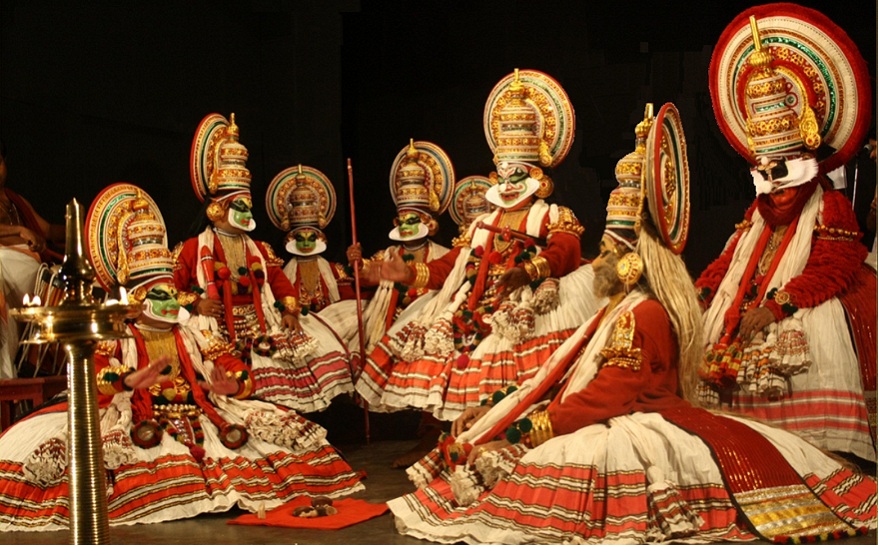
The Kathakali dance is a native performing art forms that is one of the most well conserved cultural symbols of the state. The artists with full makeup and costumes with traditional musical instruments perform Kathakali. The crux of Kathakali is abhinaya (expression), predominantly aharya abhinaya. The stage of Kathakali is artless and unadorned. A centre-positioned lamp, rhythmists and singing group standing on either side. There are many dance performances held in the temples or places of cultural significance in the state that are extremely authentic and worth watching and these appeal the art lovers to the state. You can see Kathakali dance at Kalamandalam, Ernakulam Kathakali Club, Folklore Museum, Dr Devan’s Kathakali, Kairali Kathakali, Kerala Kathakali Centre, Rhythms Theatre, Margi School Trivandrum and Kadathanadan Kalari Centre & Navarasa Kathakali during your Kerala trip.
- Style Of Art: Classical Art Form, Traditional Dance Form
2. Theyyam:
Overview of Theyyam – Ritual Performing Art Forms of Kerala:
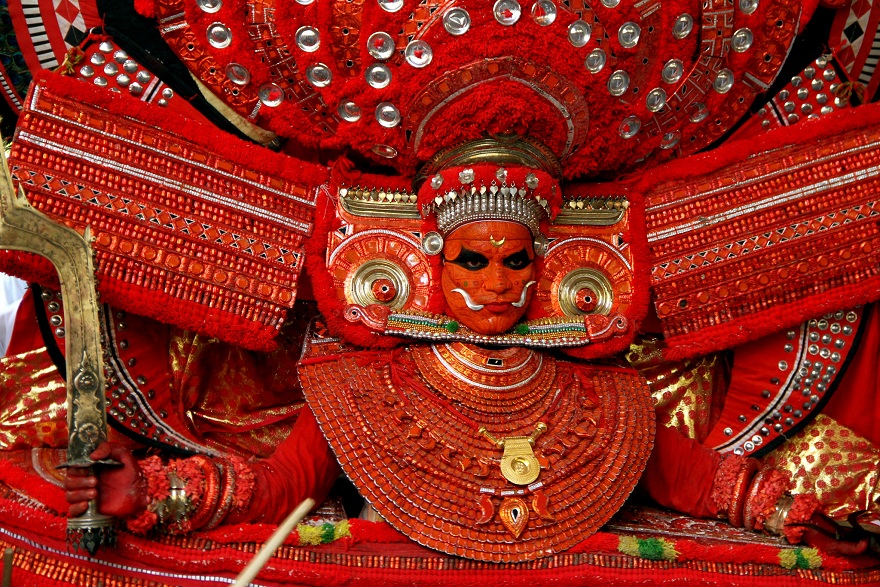
Theyyam is initiated in north Kerala. It is also named as Thirayattam (as the each thira (village) performed as a ritualized art at the village temple in north Kerala). Theyyam replicates features of a tribal culture. Executed in temples and kavus (startled copses) to appease the divinities, Theyyam works as a link between the divinity and the disciples. It requires flawless knowledge on numerous things. Reading of songs, make-up, getup preparation, playing of instruments, dancing etc. sum-up as flawless knowledge. Bodily suppleness is indispensable.
- Style Of Art: Folk Art Form
3. Padayani:
Overview of Padayani – Ritualistic Performing Art form of South Kerala:
Unlock Best Deal on Kerala Tour Package NowPadayani means a stake of army. This multi-coloured ceremonial art signifies the triumph march of goddess Kali after conquering the demon Darika. The intricate clothing of the artist has slight similarity to the costume of Theyyam.
- Style Of Art: Folk Art Form
4. Theeyaattam:
Overview of Theeyaattam – Traditional Dance Form of Kerala:
Theeyaattam is also recognized as Theeyaattu(Tīyāttu) which is a traditional dance form. There are two kinds of Theeyaattam; known as Bhadrakali Theeyaattu and Ayyappan Theeyaattu. Bhadrakali Theeyattu is executed by Theeyaattunnis (a Brahmin community in Kerala) while Ayyappan Theeyaattu is enacted by Tīyyādi Nambiars (Ambalavasi). The presentation has numerous parts like the – groundwork customary art known as kalam (Kalamezhuthu), singing songs in admiration of Bhadrakali and the recital of the dance. The art is occasionally played in greater forms that last from sunrise to late night when it is called Udayasthamaya Thiyyattu.
- Style Of Art: Folk Art Form
5. Kalaripayattu:
Overview of Kalaripayattu – Martial Performing Art of Kerala:
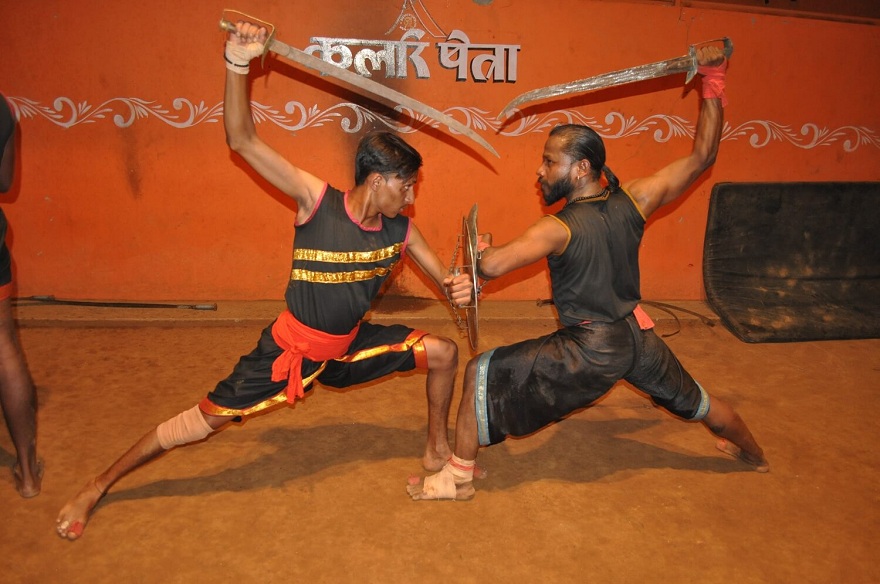
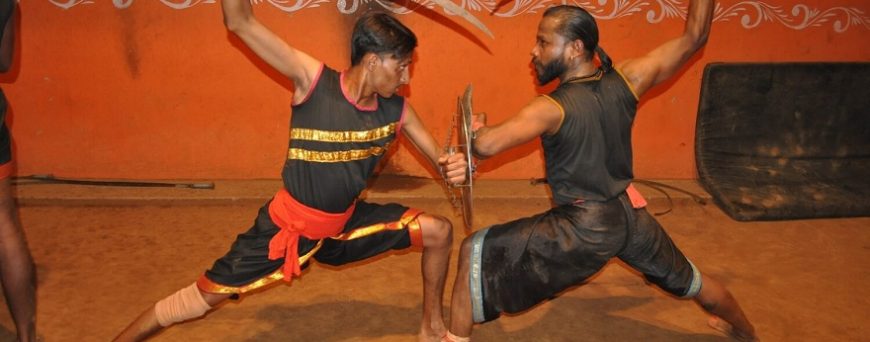
Kalaripayattu is an innovative battle art. Originated in North Kerala, it is one of the oldest and most inclusive coordination of martial arts in the world. Kerala has shaped many courageous heroes who have a place in Kerala’s folk songs and traditional stories. One among them is Thacholi Othenan is commemorated in Vadakkan Pattukal (northern ballads) as one of the greatest promoters. The physical activity in it also comprises divulging of systematic knowledge in local medical practices. This is vital to overcome the wounds.
- Style Of Art: Martial Art Form
6. Ottan Thullal:
Overview of Ottan Thullan – Poetic Performing Art of Kerala:
Unlock Best Deal on Kerala Tour Package NowOttan Thullal is a dance and poetic presentation kind of performing art. It was presented in the 18th century by Kunchan Nambiar. It is accompanied by the mridangam(a barrel formed double headed drum) or an idakka (drum and cymbal). Solo performer, with green makeup and a vibrant costume (adorned with a long red and white band and dyed wooden ornaments), acts and dances while narrating dance
- Style Of Art: Classical Art Form
Kerala, in spite of its small geographic size, has formed some performing arts that picked up followers from all corners of the world. Your visit to Kerala would be incomplete if you do not see any of these performing arts.
Image Courtesy: Theyyam
FAQs:
Kerala boasts a rich array of traditional art forms including Kathakali, Mohiniyattam, Koodiyattam, Theyyam, Thiruvathirakali, and Ottamthullal.
Kathakali is a highly stylized classical Indian dance-drama known for its elaborate costumes, intricate makeup, and expressive movements, often depicting stories from Indian epics.
Theyyam is a vibrant ritualistic dance form performed in the northern districts of Kerala, where performers embody deities and spirits through elaborate costumes and intense dance movements.
These art forms are often performed at cultural centers, temples, and during festivals across Kerala. Additionally, some venues and cultural institutions regularly host performances for visitors to experience the rich heritage of Kerala.
![Best 5 Star Hotels & Resorts in Kovalam For a Luxurious Stay in Kerala [With Discount]](https://www.sreestours.com/blog/wp-content/uploads/2016/09/kovalam-beach-resort-45x45.jpg)


